
About the book
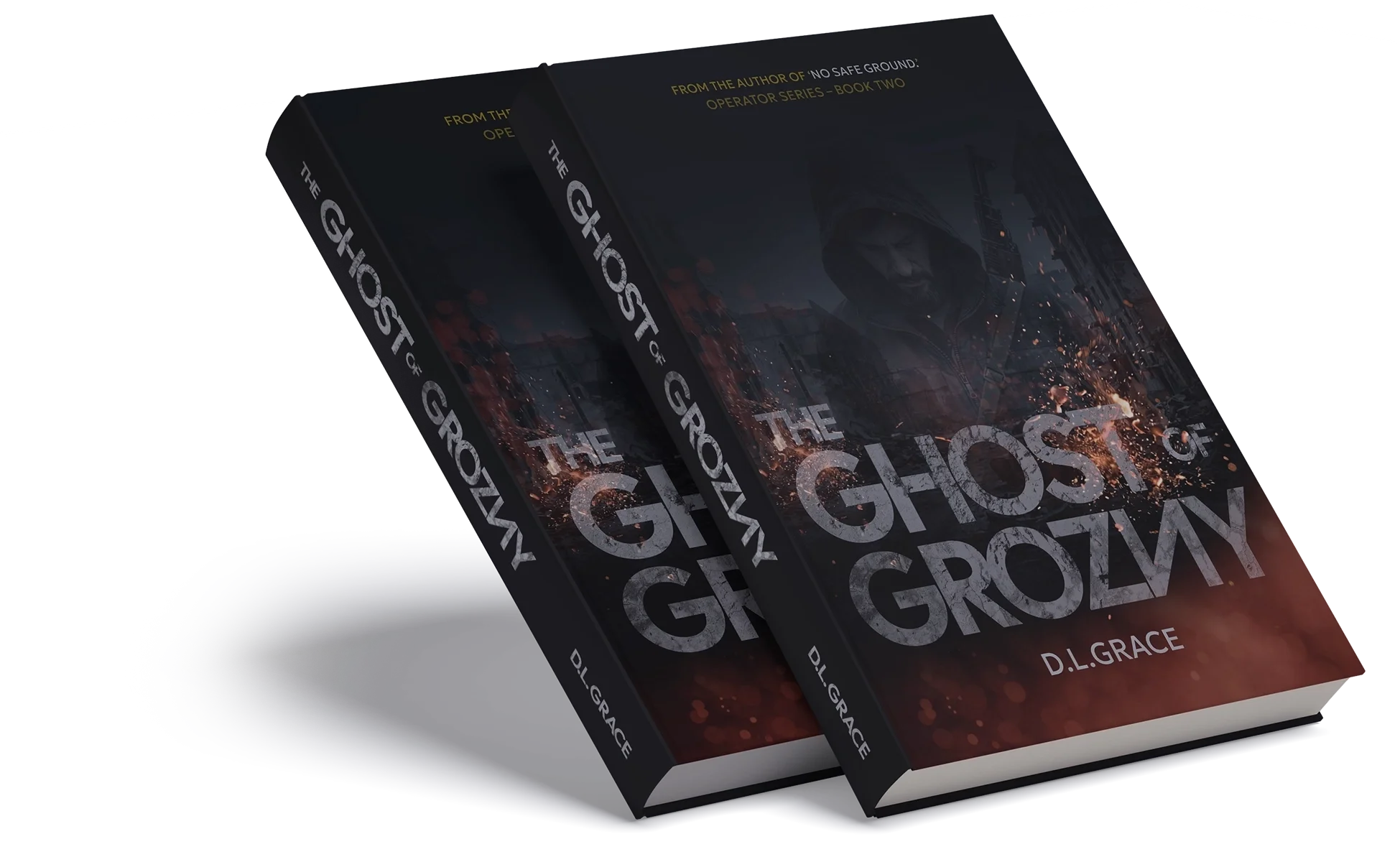
The Ghost of Grozny is Book Two of The Operator Series, a companion novel to No Safe Ground that moves to the other side of the board.
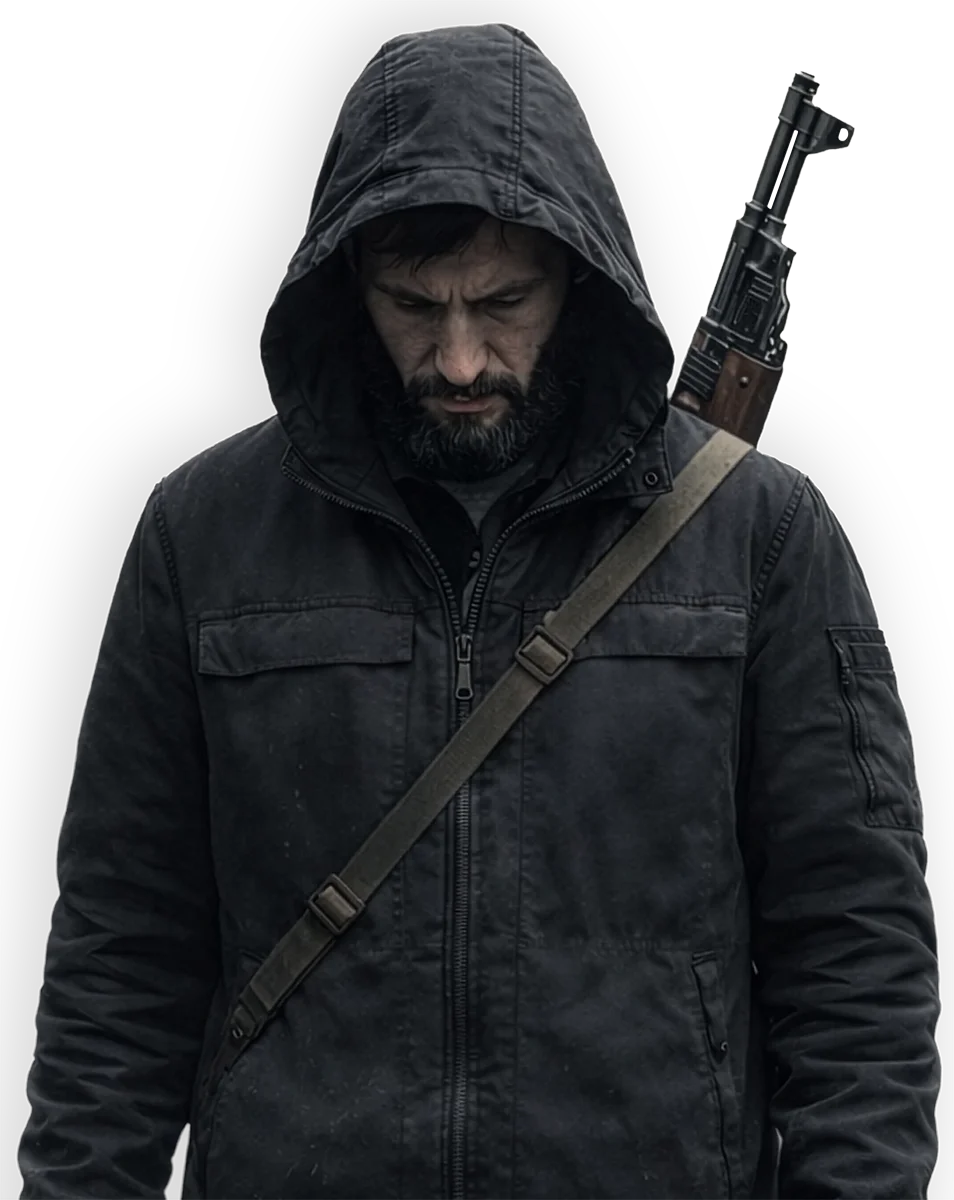
In the winter of 1994, the Russian army turned Grozny to rubble. From that destruction, a boy named Magomed Khasiev walked out carrying little more than a black chess pawn and the memory of everything he had lost.
Orphaned by war and shaped by survival, Magomed grows up in a world where violence is currency, loyalty is conditional and every move carries consequence. From the ruins of Chechnya to the shadows of Moscow, his instinct for languages, mimicry and strategy draws the attention of the SVR, where he is remade into something far more dangerous than a soldier.
To some, he is an illegal asset. To others, a rumour passed between teahouses, intelligence briefings and back rooms. A man no one has quite seen. A name spoken in fear and disbelief.
The Ghost of Grozny.
For years, Magomed moves through deep covers across the Caucasus and the Middle East, operating in the blurred spaces between energy politics, sectarian conflict and covert violence. But the boy who knelt beside his mother in the snow never truly disappeared. The black pawn from Grozny remains in his pocket, and with it a question he can no longer silence.
What does a man owe to a country that razed his home?
Visceral, morally complex and cinematic in scope, The Ghost of Grozny tells the same war from the other side of the moral line.
Every man fights his own war. Sometimes they meet on the same battlefield.
Pre-order, now.
The Boy in the Snow
Grozny, January 1994
The boy lay flat behind a wall of broken cinderblock, the cold of the rubble pressing through his coat. He had been told to stay in the cellar. He had not stayed.
Through a crack in the mortar he could see his mother kneeling in the snow.
Two of them stood over her. Boys, really. Conscripts. Helmets too big for their heads, rifles slung at the wrong angle. The third, the one with the stripes on his sleeve, was talking. Magomed could not hear what he said. The wind took the words and broke them against the wall behind him.
His mother's hands were clasped at her chest. She was not begging. She was praying. He recognised the shape her lips made in the cold. The same shape he had seen her make at his father's bedside the week the bombs first fell.
The sergeant raised his hand. Slow. As if the act required permission from something older than himself.
The boy did not look away. He had been told never to look away from the things that would shape him.
When it was over, the soldiers stood in the snow for a long time, not speaking. The conscript with the rifle wiped his nose with the back of his glove. Then they walked away the way they had come, leaving the boy and his mother alone in the white.
Magomed waited until the sound of their boots was gone. Then he waited longer. The cold had moved through him by then. He could no longer feel his hands.
He crossed the open ground at a walk. He did not run. There was no one left to run from.
The snow under her had begun to take a colour the boy did not have a name for.
He sat down beside her and did not weep. He had learned, in the weeks since the bombs began, that weeping took something a body could not afford to spend.
He reached into the pocket of his coat. Inside, wrapped in a torn piece of cloth, was a single chess piece. A pawn from the chess set his father had taught him to play on, carried with him since before the bombs began.
A pawn. Black. Hand-carved. Worn smooth at the head.
He set it upright in the snow beside her.
He did not know why. He only knew that something had to stand.